
Future of Teams: The Shift Toward Lean, Hyper-Specialized & Flexible Augmentation Models
The way companies build teams is undergoing a major transformation. For decades, organizations relied on large, traditional, full-time teams to execute projects. But today’s rapidly changing business environment—driven by technology, remote work, and speed-to-market pressure—demands a more agile approach.
Enter: lean, hyper-specialized, and flexible team augmentation models.
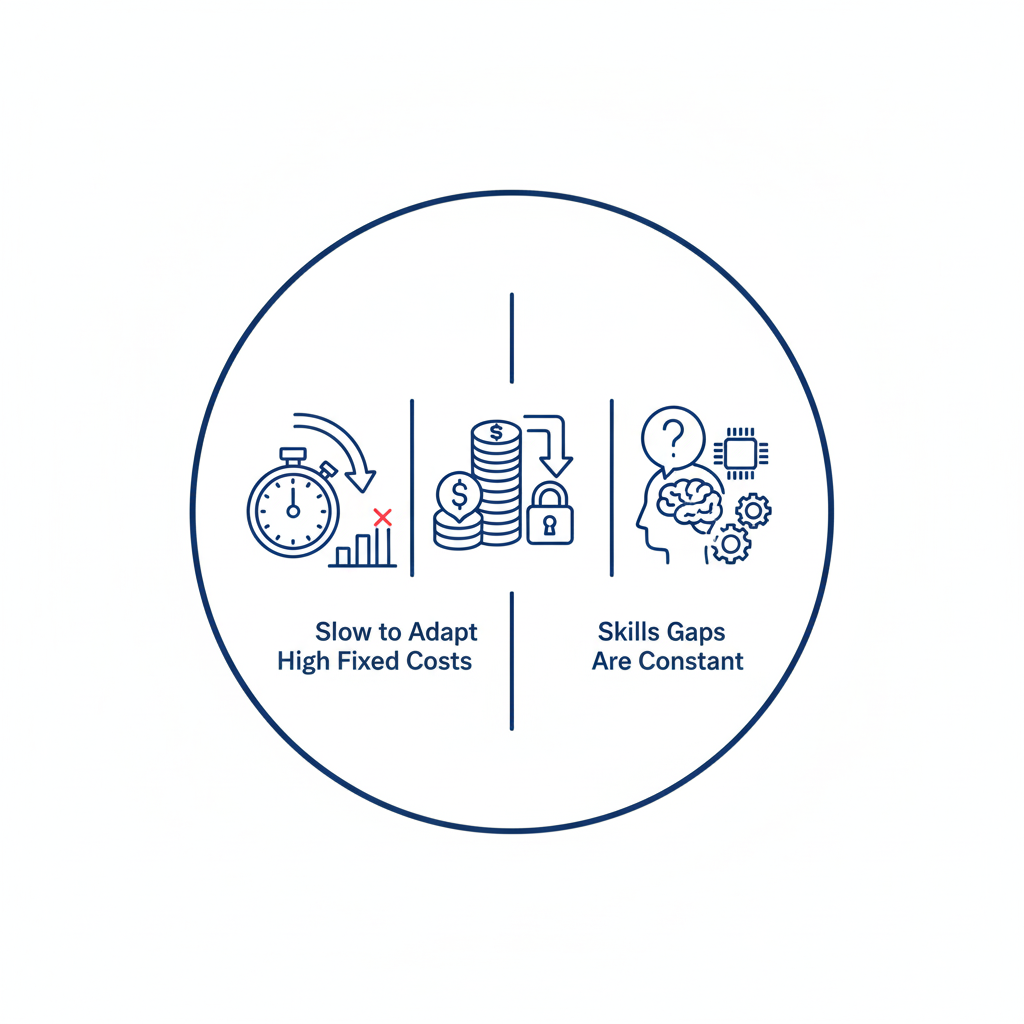
Why Traditional Teams Are No Longer Enough
Slow to Adapt
Large teams take longer to reorganize, retrain, or pivot. This slows innovation and increases cost.
High Fixed Costs
Full-time hiring creates long-term financial commitments, even when the project needs change.
Skills Gaps Are Constant
New technologies emerge faster than internal teams can learn them, leaving capability gaps.
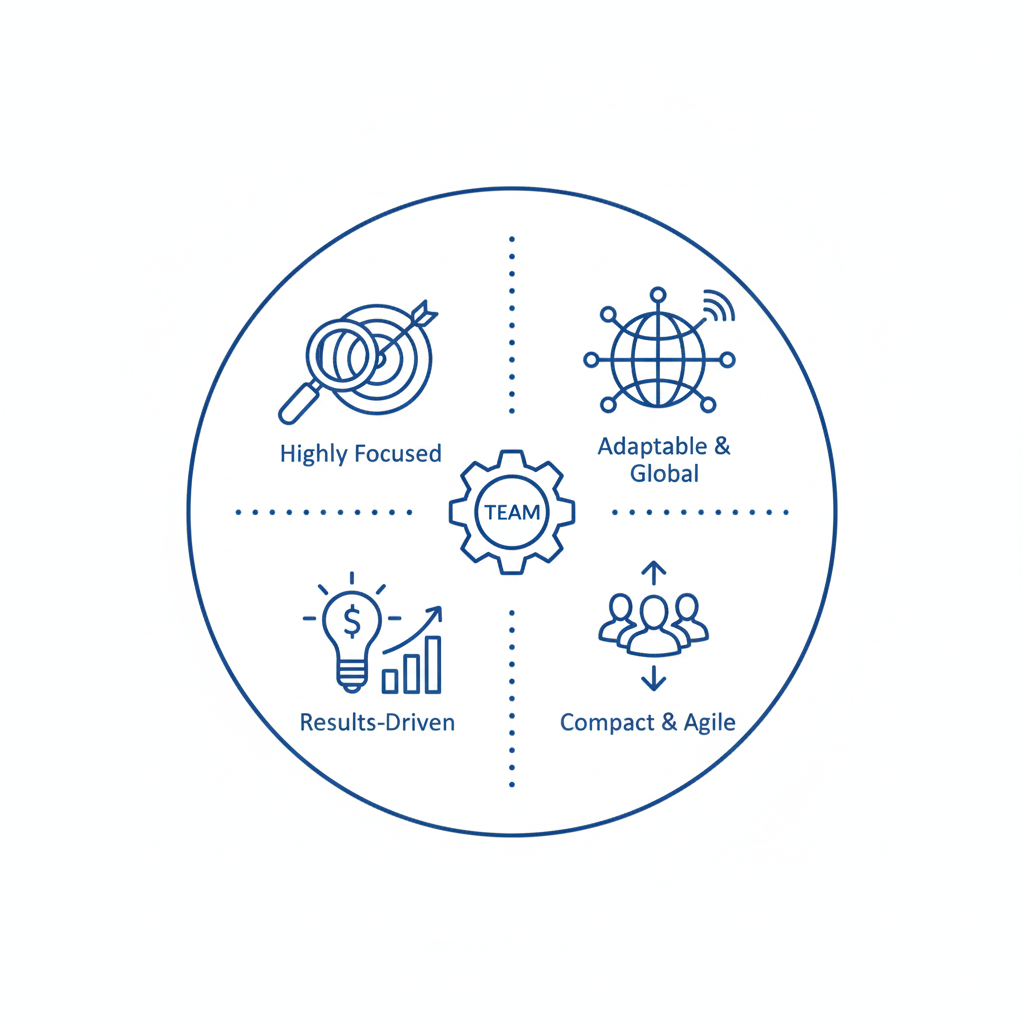
The Rise of Lean, Hyper-Specialized Teams
Modern organizations are moving toward compact teams of 2–10 experts who come with a deep, niche specialization. These teams are:
- Highly focused on a specific goal or feature
- Technology-native and quickly adaptable
- Results-driven, not hierarchy-driven
- Global, thanks to remote-first structures
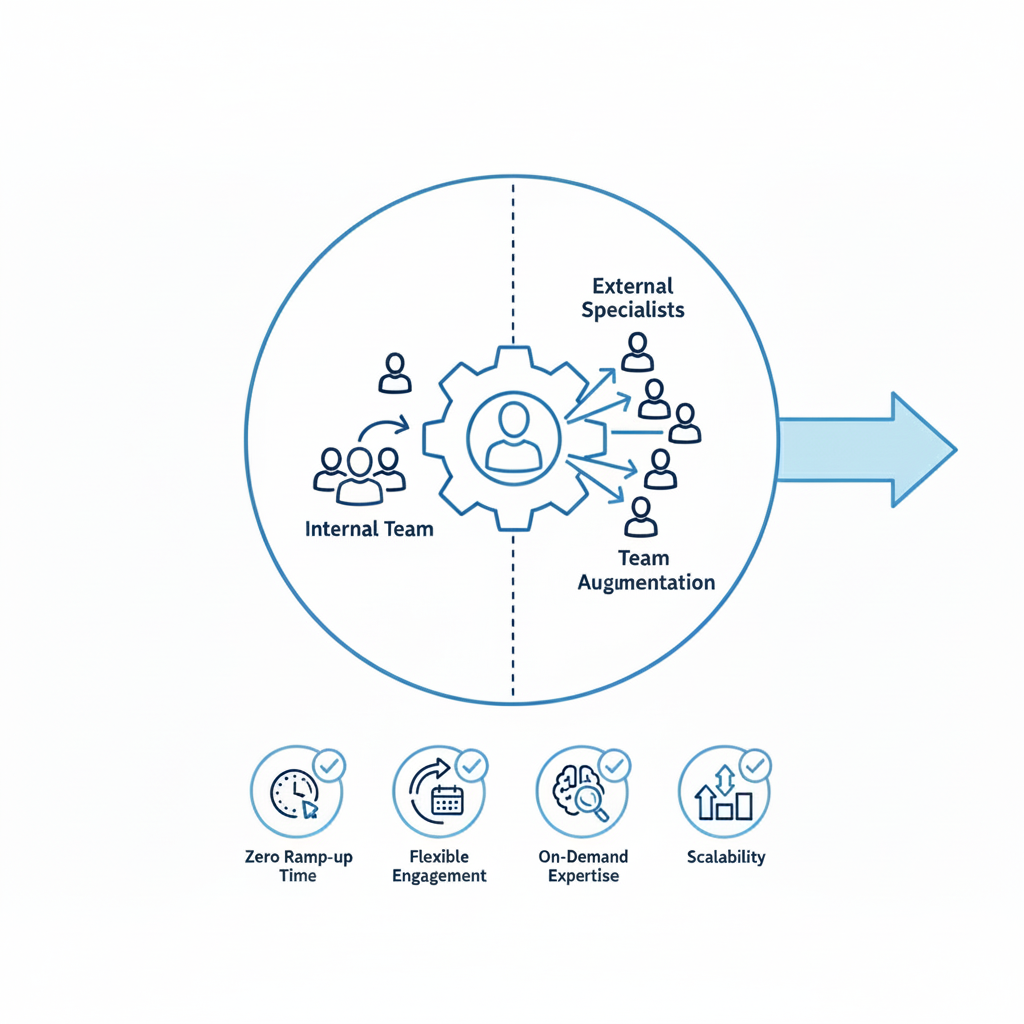
What Is Team Augmentation?
Team augmentation is the model where companies extend their internal capabilities by adding external experts on demand. Instead of hiring full-time employees, they plug in specialists to fill immediate skill gaps.
Key Advantages
- Zero ramp-up time
- Flexible engagement (weeks → months → long-term)
- Expertise only when you need it
- Ability to scale up or down instantly
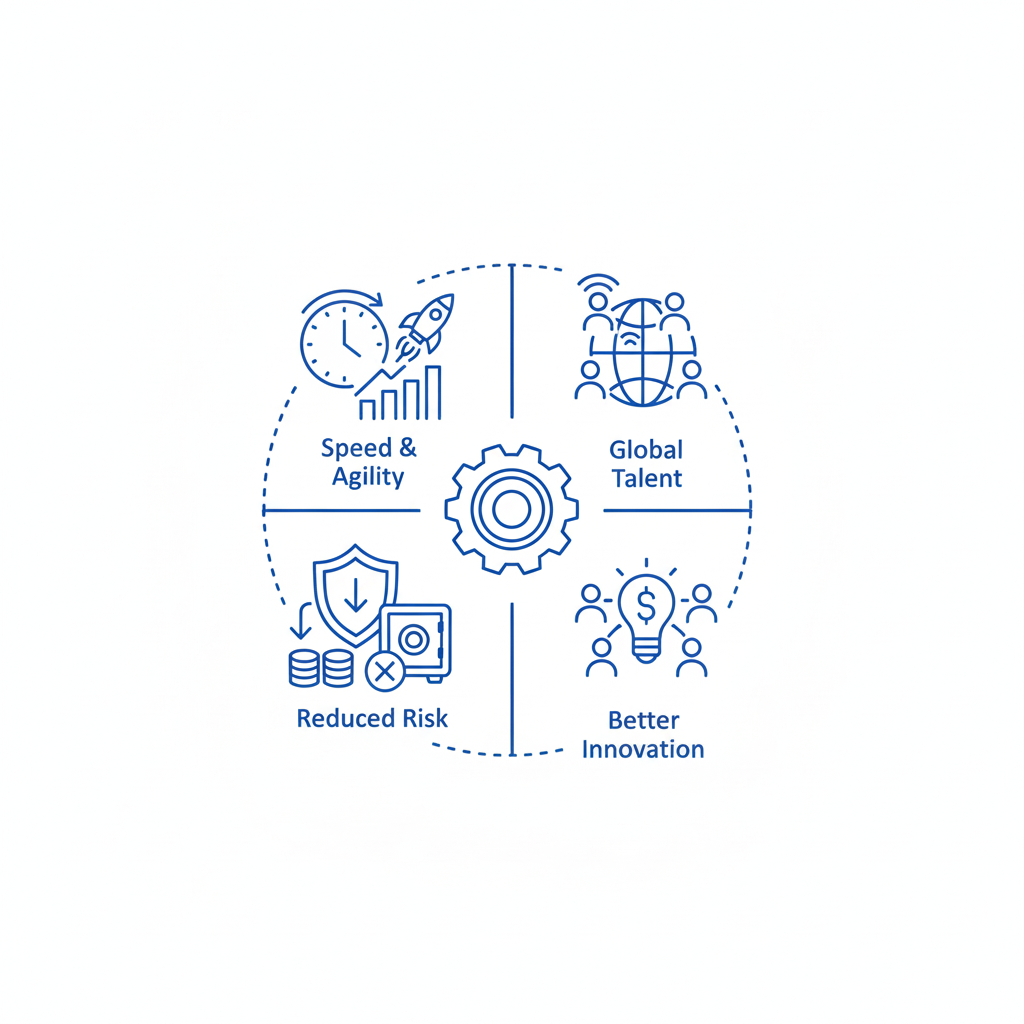
Why the Future Belongs to Augmented, Flexible Teams
Speed & Agility
Businesses need to launch products and features faster than ever. Small augmented teams adapt rapidly, move quickly, and deliver faster outcomes.
Access to Global Talent
Geography no longer restricts hiring. Organizations can tap into specialists worldwide.
Reduced Risk
No long-term hiring commitments. No heavy overhead. Just pure, on-demand expertise.
Better Innovation
Hyper-specialists bring experience from multiple industries, enabling creative problem-solving.
Where This Model Works Best
SaaS product development
AI and automation projects
DevOps & cloud transformations
Cybersecurity enhancements
UI/UX modernization
Legacy system rebuilding
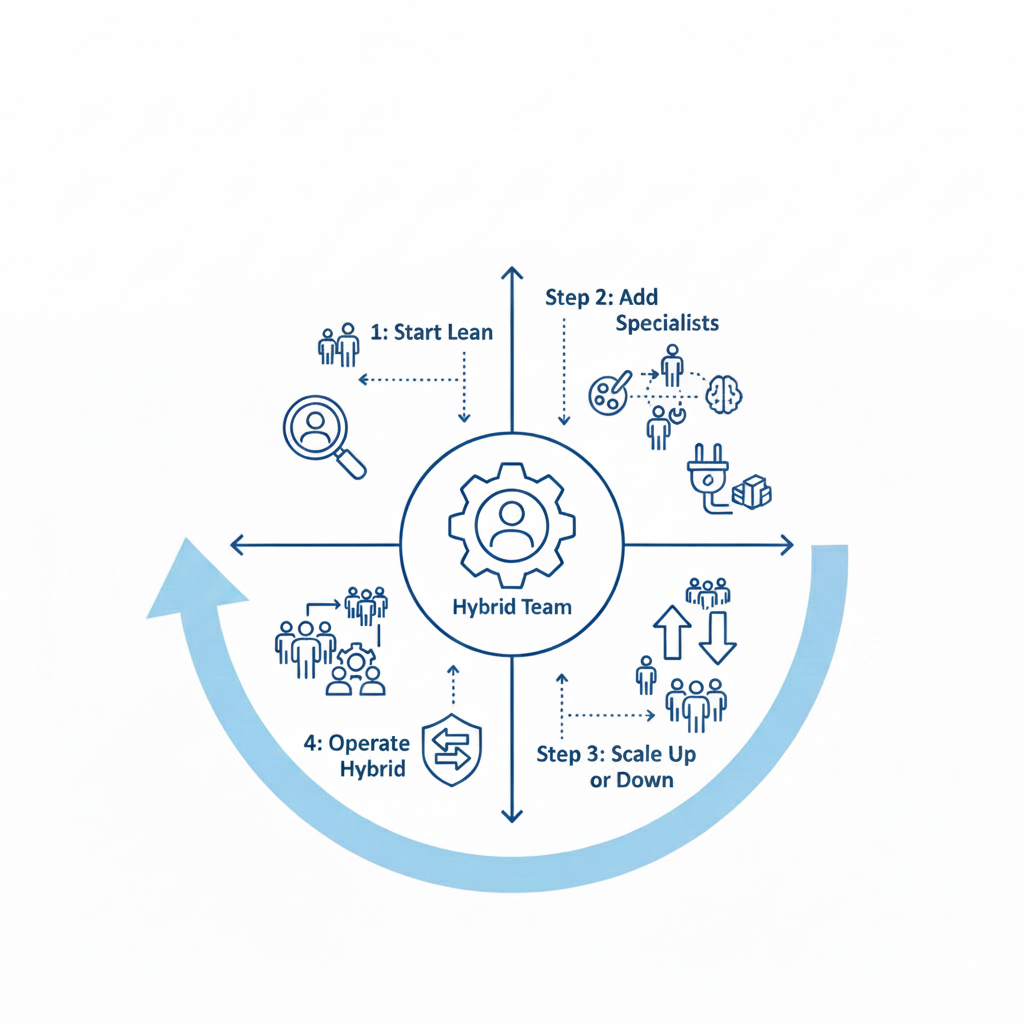
How Companies Are Adopting This Future Model
Step 1: Start Lean
Begin with a small team of core internal members.
Step 2: Add Specialists Only When Needed
Plug in developers, designers, analysts, or architects based on project phase.
Step 3: Scale Up or Down Effortlessly
As priorities shift, adjust the team composition in real time.
Step 4: Operate Hybrid
Combine internal ownership with external expertise for maximum efficiency.
Conclusion
The future of team building is lean, specialized, and on-demand. Companies that embrace small, flexible, augmented teams will outpace competitors by moving faster, innovating more freely, and adapting to market shifts instantly. Large teams filled with generalists are being replaced by compact, high-impact squads of experts—and this shift is defining the next decade of work.